
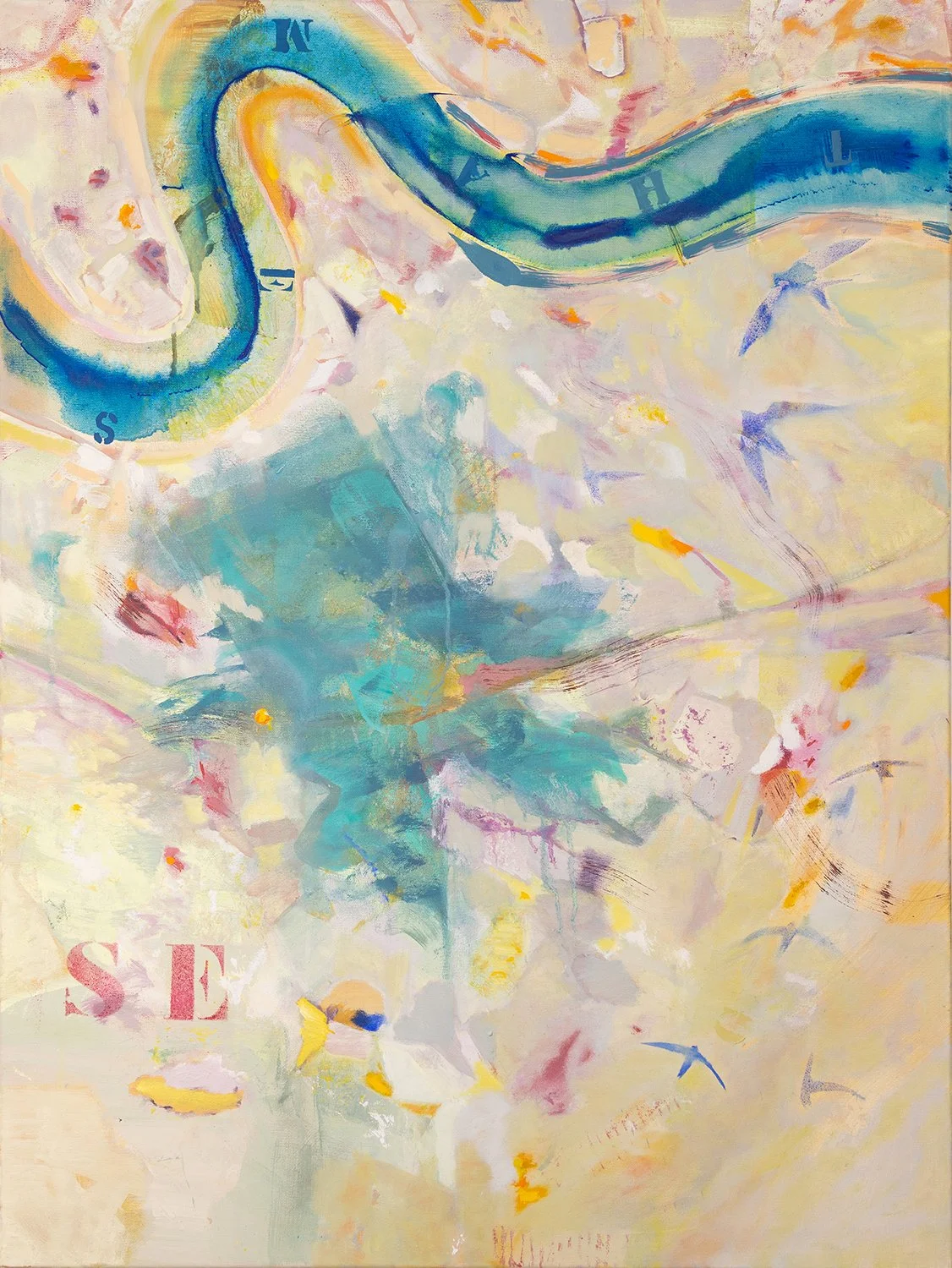
You can't cross the A2 often and hope to remain unscathed, just like children must learn that repeatedly pressing a crayon against a piece of paper will eventually threaten to tear the fibres apart, revealing the surface underneath.
Freddie Darke has always lived on one side of the A2 and for a long time now, he has had to work on the other side of it. In order to paint he has to wake up in the morning and get dressed and leave the house, cross Blackheath and nod to the ever-present, never-leaving crows, then cross the road which has been stabbing the green for hundreds and thousands of years.
Cross the A2 in the same spot often enough and the 21st century will start to disappear, leaving Watling Street in its wake. Cross it some more and you may start seeing Chaucer's pilgrims just outside the corner of your eye, hearing shards of long-told stories as you think you may be smelling their horses gently walking past - or are you seeing the travellers still trotting around the neighbourhood today?
Keep crossing Watling Street, again and again, until you recoil at the Vikings invading in the 9th century, and the Saxons centuries before that. Cross it again, endlessly going back and forth, and you'll start wondering if the screams you're hearing really are from the funfair occasionally calling the park a home. Are you sure they aren't from Boudica and her men, finally and terminally in retreat from the forces of the empire?
Grab your crayon firmly between your fingers and press it against the sheet of paper, repeating the same movement again and again until your knuckle starts to hurt from the friction, but you may still never get to see the desk underneath.
Watling Street was used by the Romans before the Saxons, sure, but it was also used by the Britons before that, and no-one will be able to tell you when it became what it became. Maybe it was always there; somehow joining the coast and the capital before either had come into existence.
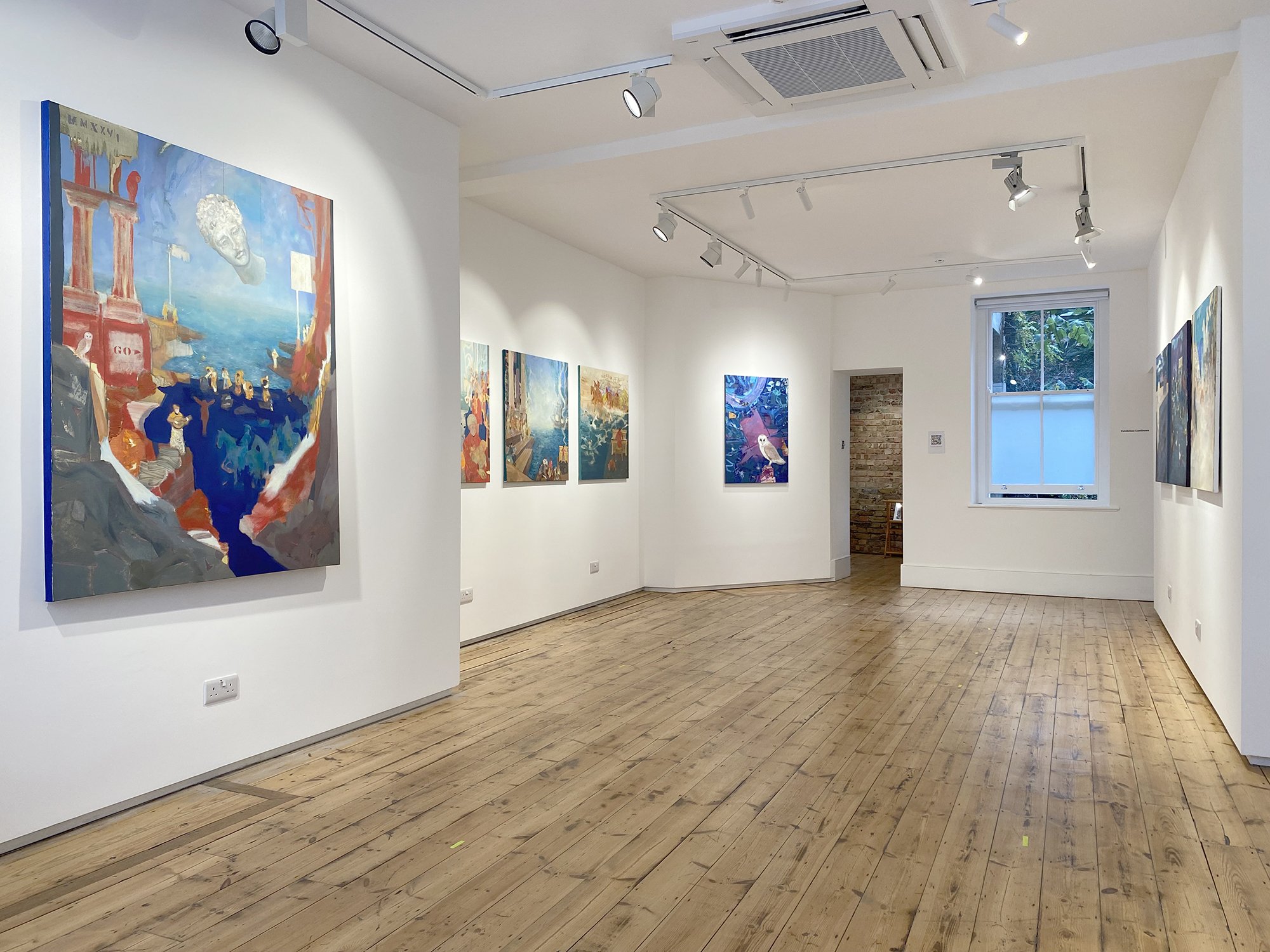
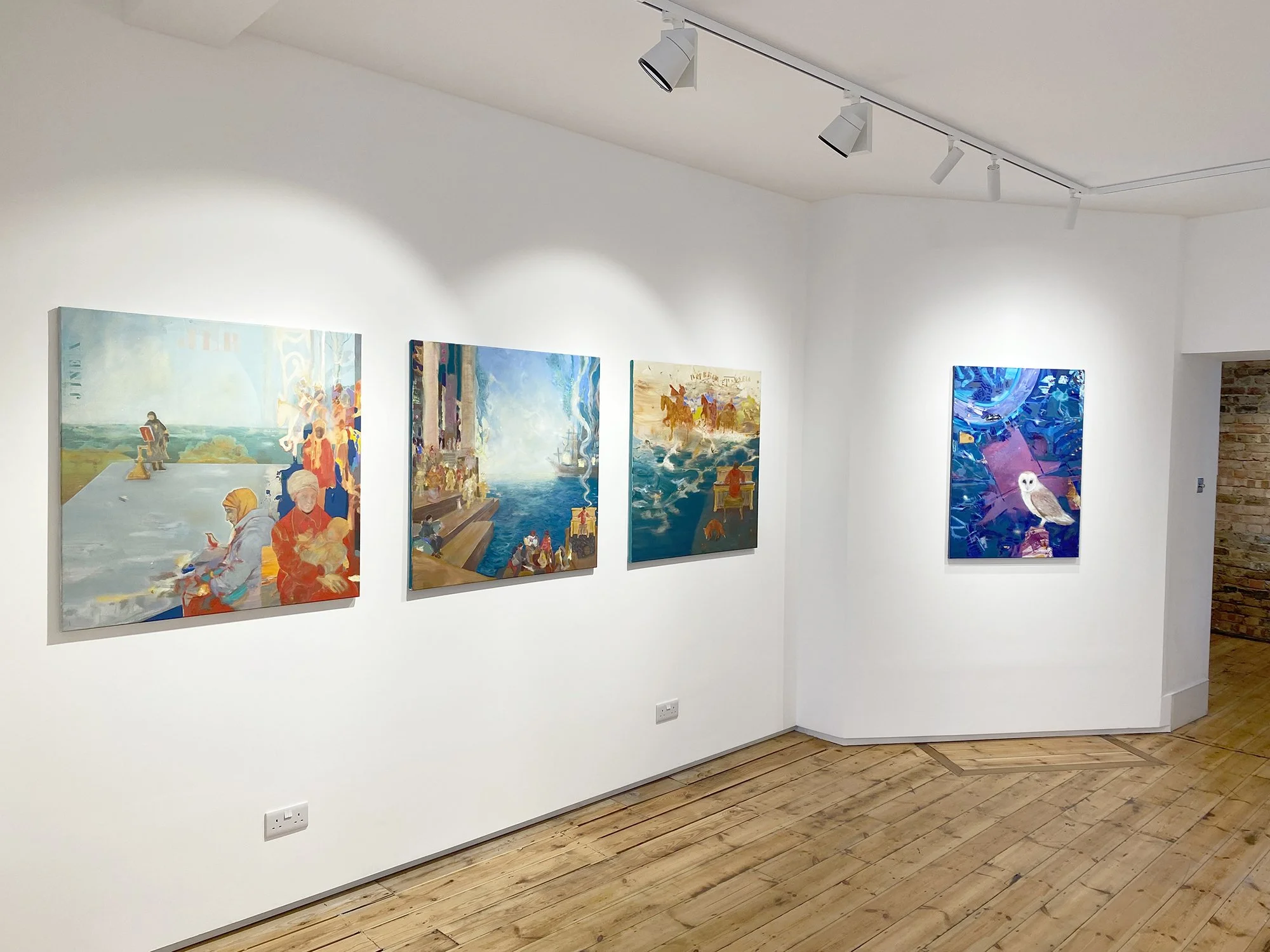
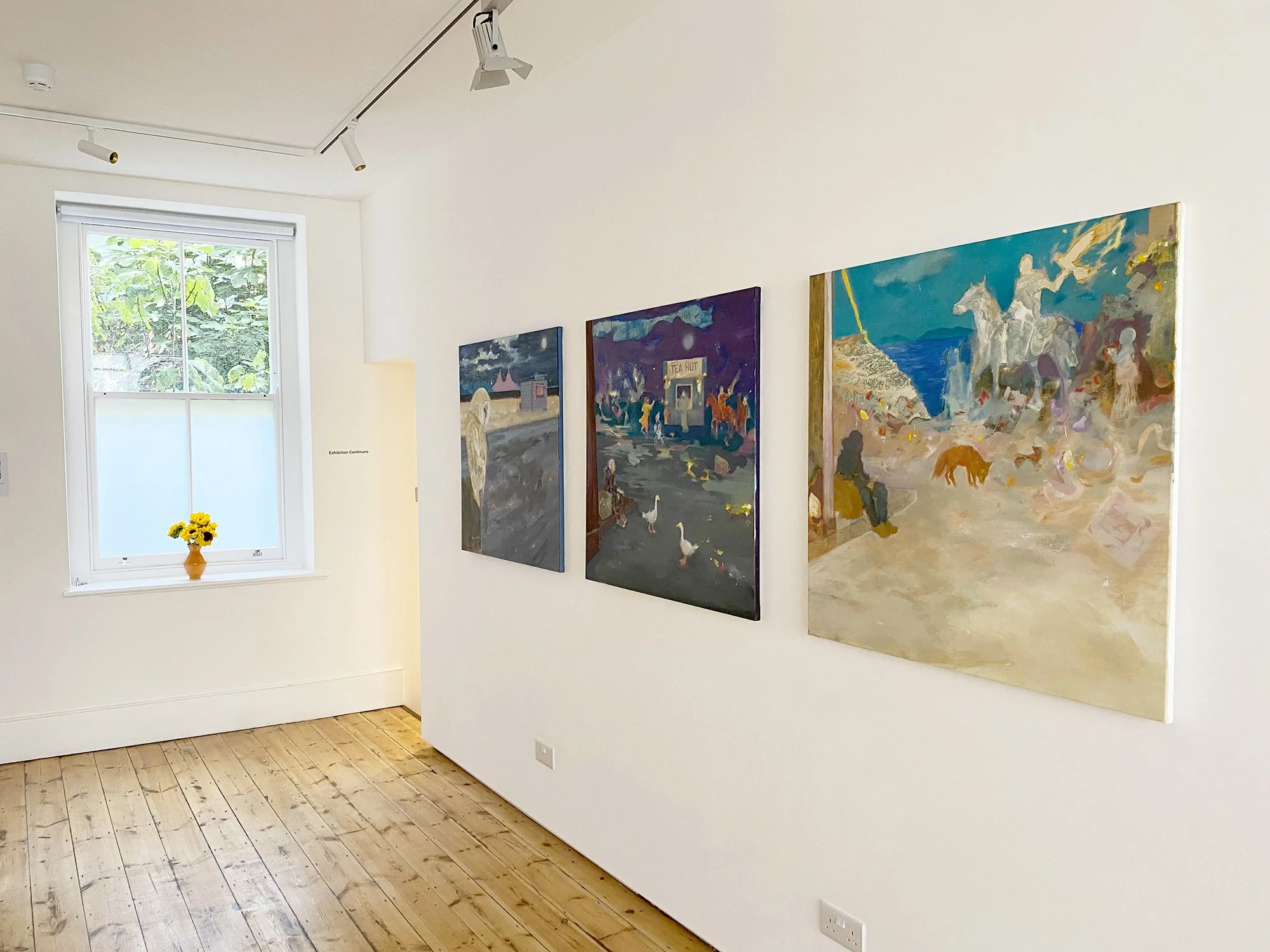
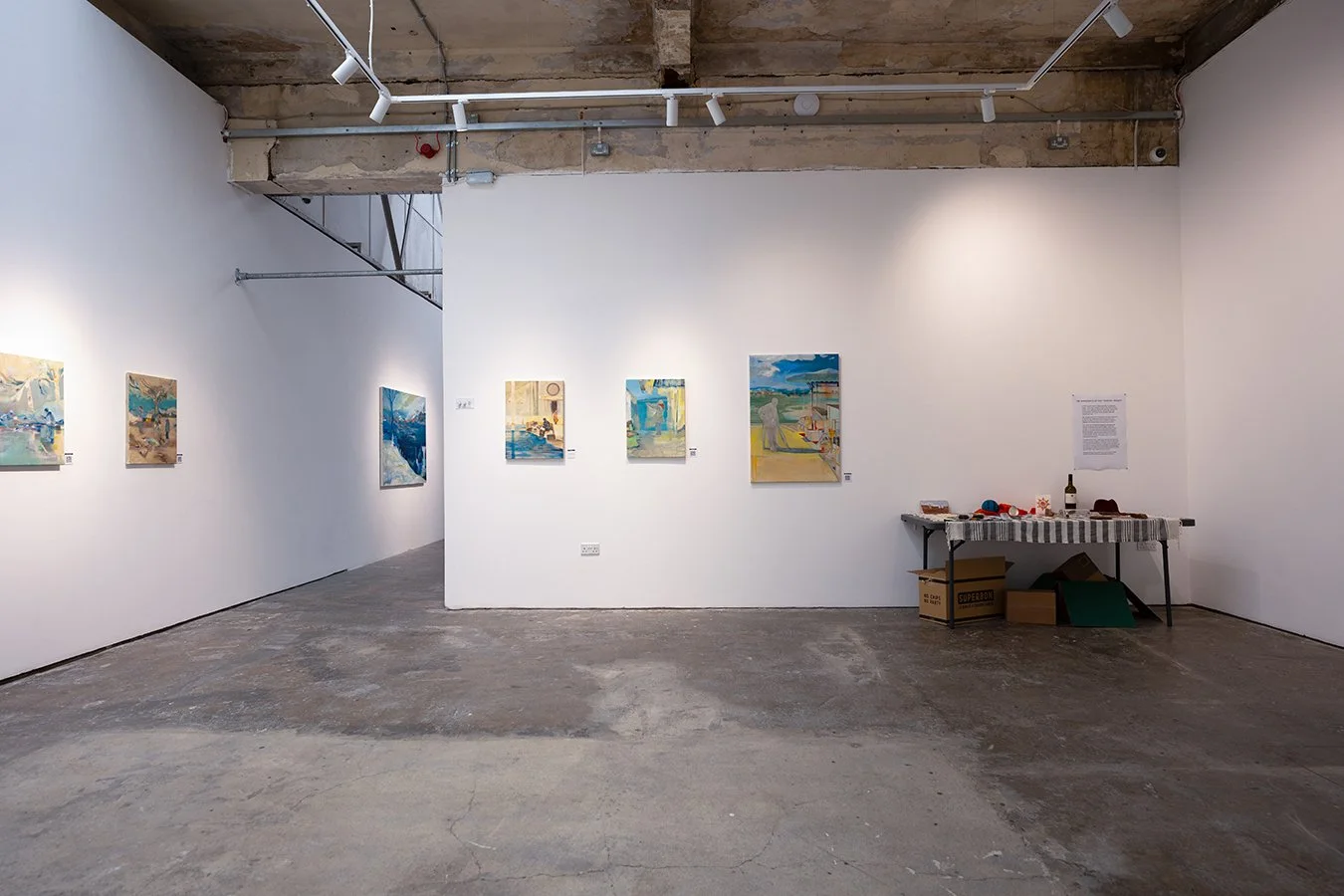
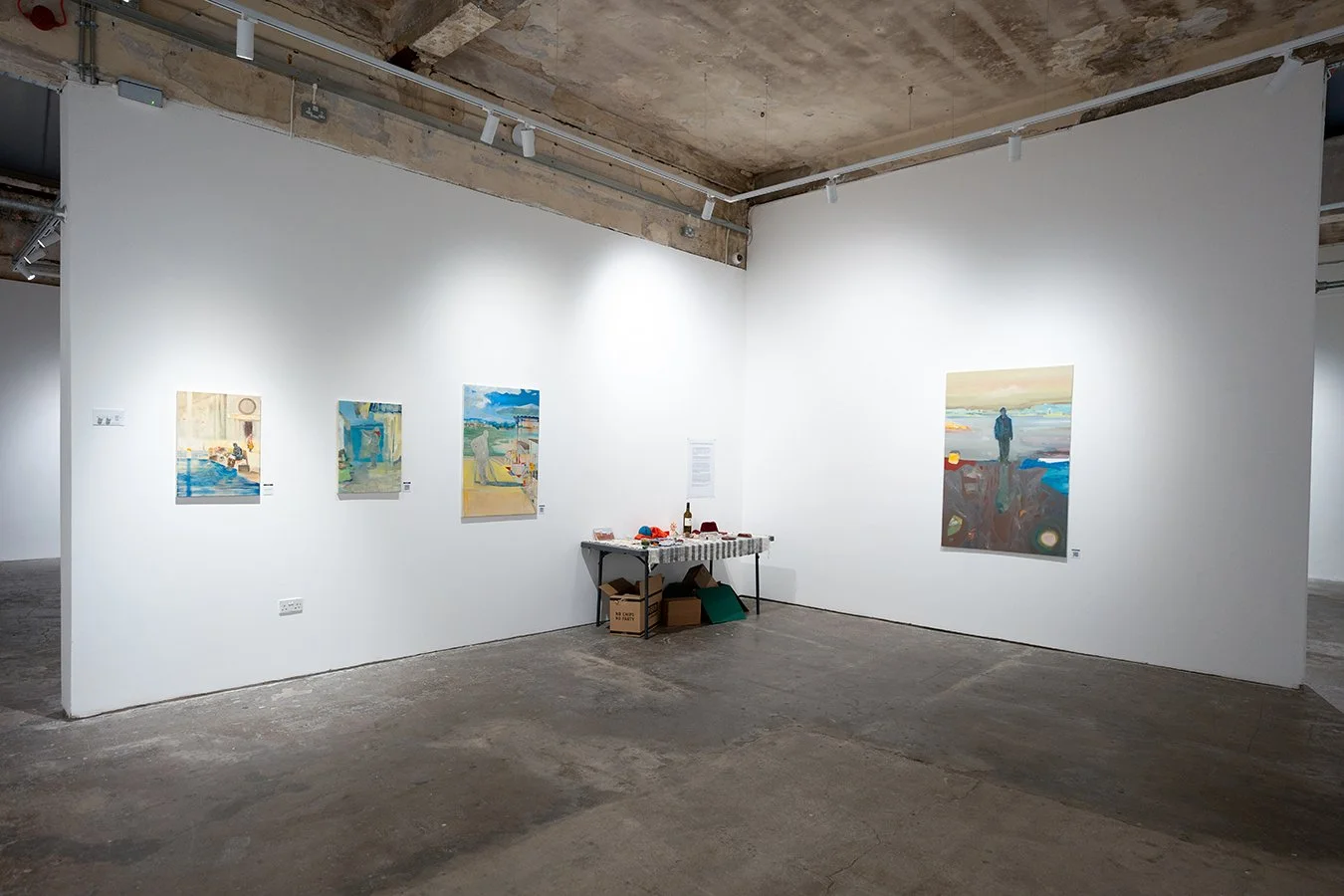
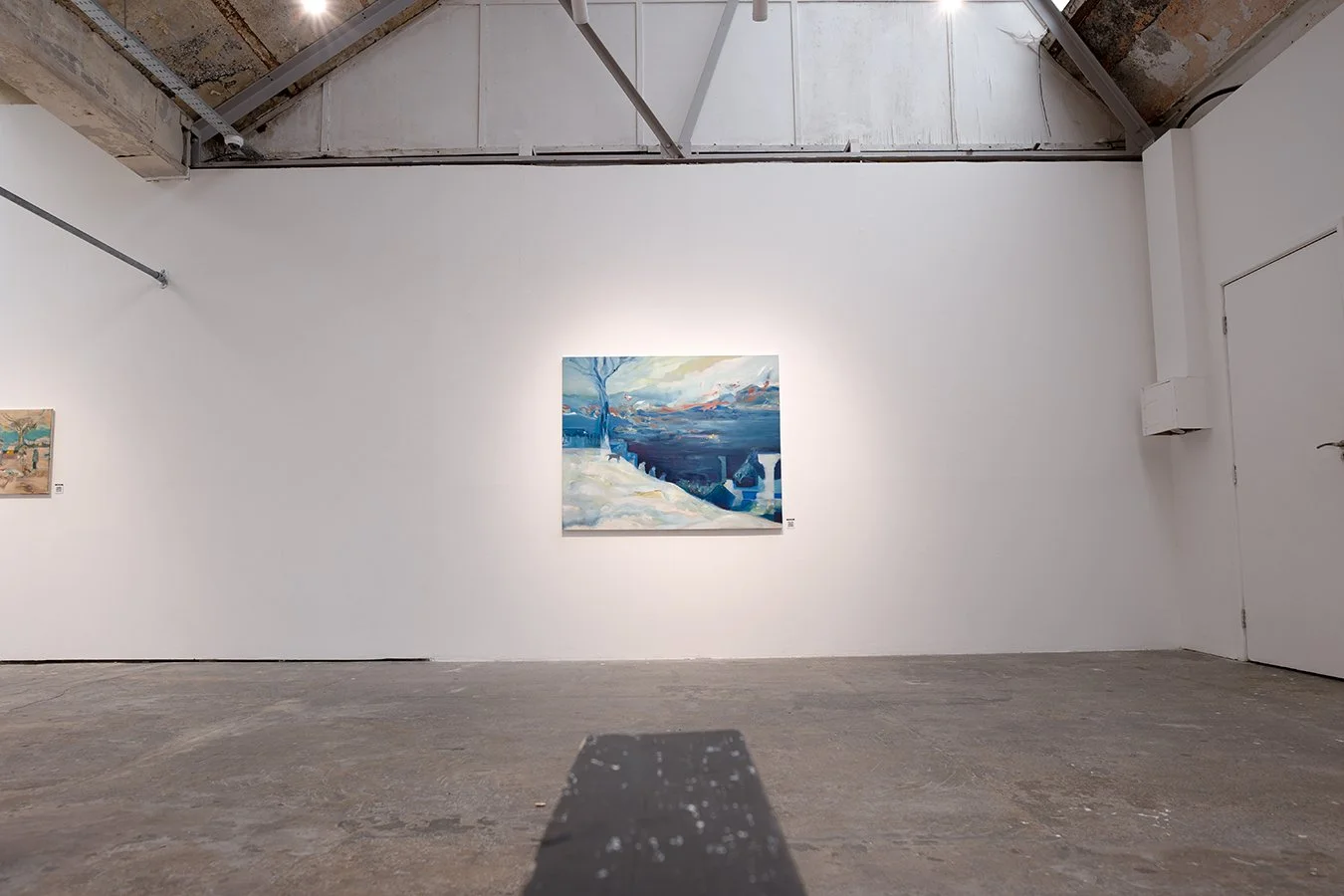
The Watling Street Blues is the song you can hear if you try and reach beneath the soil, and it takes you both out of time and across it. There is an England painted here and it is real and dreamlike; imagined and hoped for, yet remorselessly anchored in all that has happened to it before.
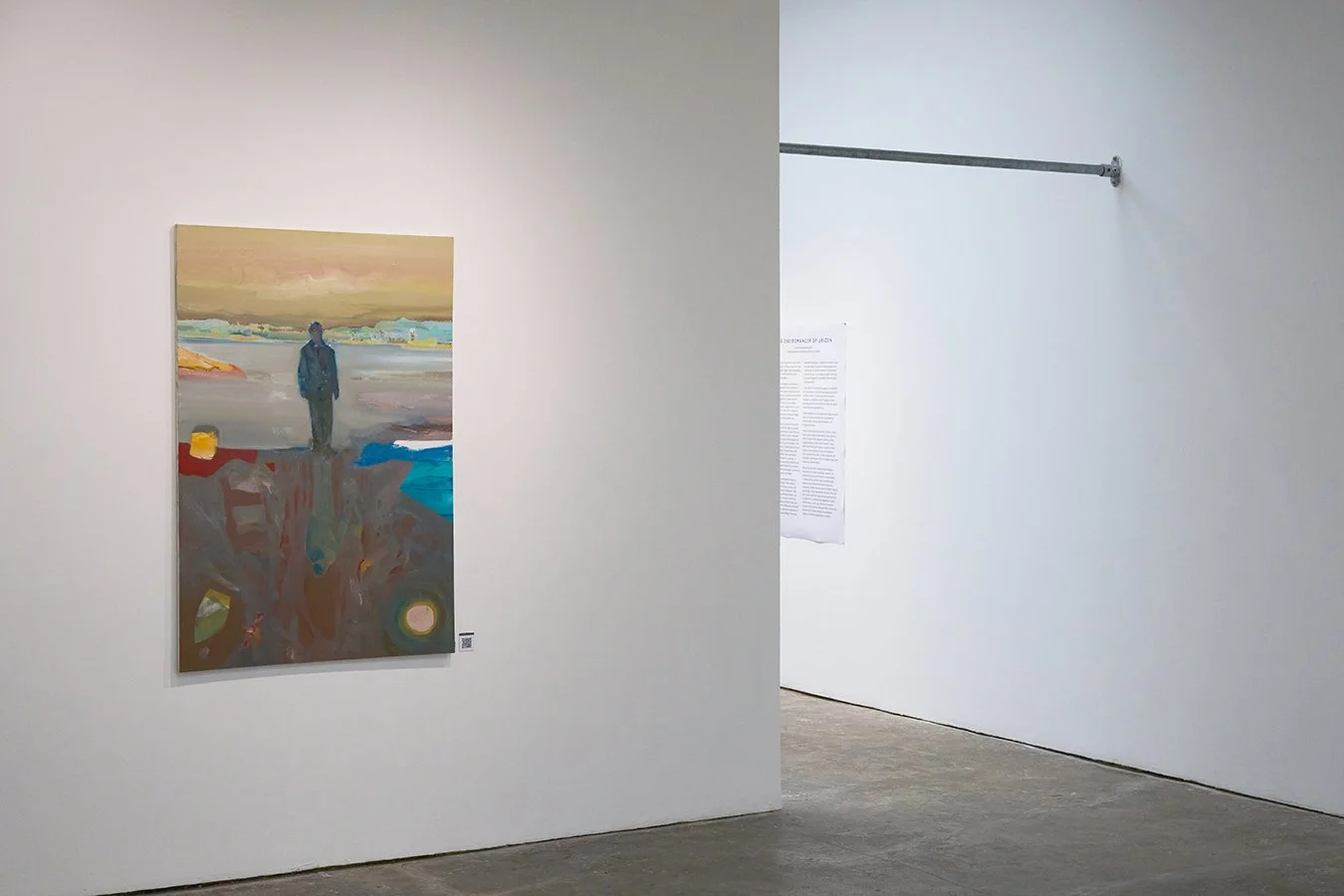
Many figures inhabit it - animals and humans alike - but it isn't clear that they can see or hear each other. Together they all stand alone, summoned into existence by the same melody.
It's a tune that flows and flows and flows, like the water in the river Thames which ceaselessly carries the world into London, and like this street which will outlive you and I, forever reminding us that people neither can nor will ever stay still.
— Marie Le Conte (written while sitting by the A2)

Victoria Comstock-Kershaw on Rumours of Treasure:
THE ONEIROMANCER OF URIZEN (excerpt)
In his essay The four-fold imagination, Mark Vernon discusses William Blake’s childhood vision of ‘a tree filled with angels, bright angelic wings bespangling every bough like stars’ on Peckham Rye, only minutes from Copeland Gallery. As an adult, Blake’s mythology would develop to explore the tension between man’s perception of the material and his own semiotic self-impositions of value: Ezekiel as Newton, crouched at the bottom of the ocean carving geometric shapes into the seabed, Adam tearing the sky in twain. Blake’s visceral, apocalyptic visions, argues Vernon, is one based on an ability to see “not with his eyes, but through them”: what we remove from our images, he says, is often what we most want to see.
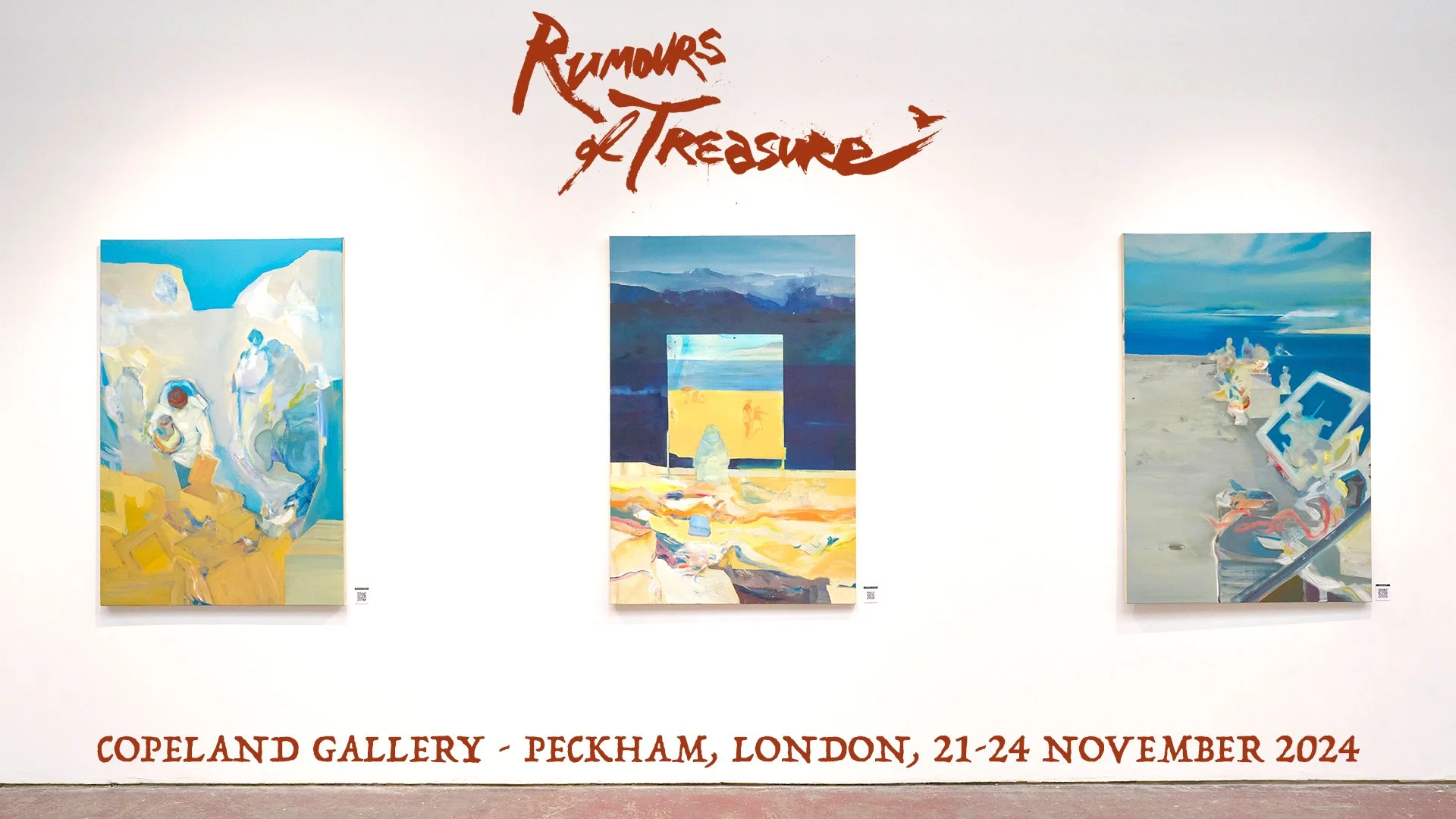
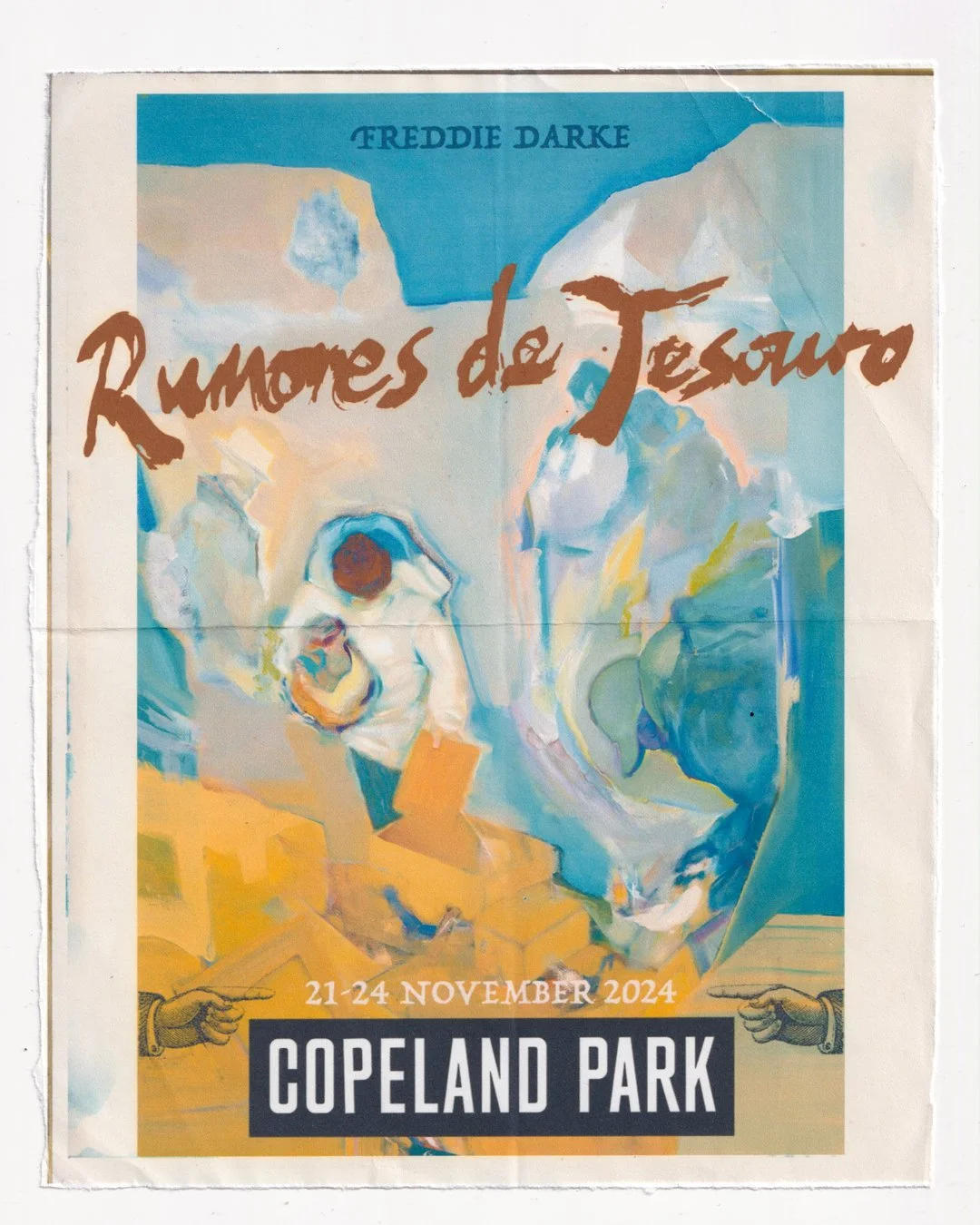
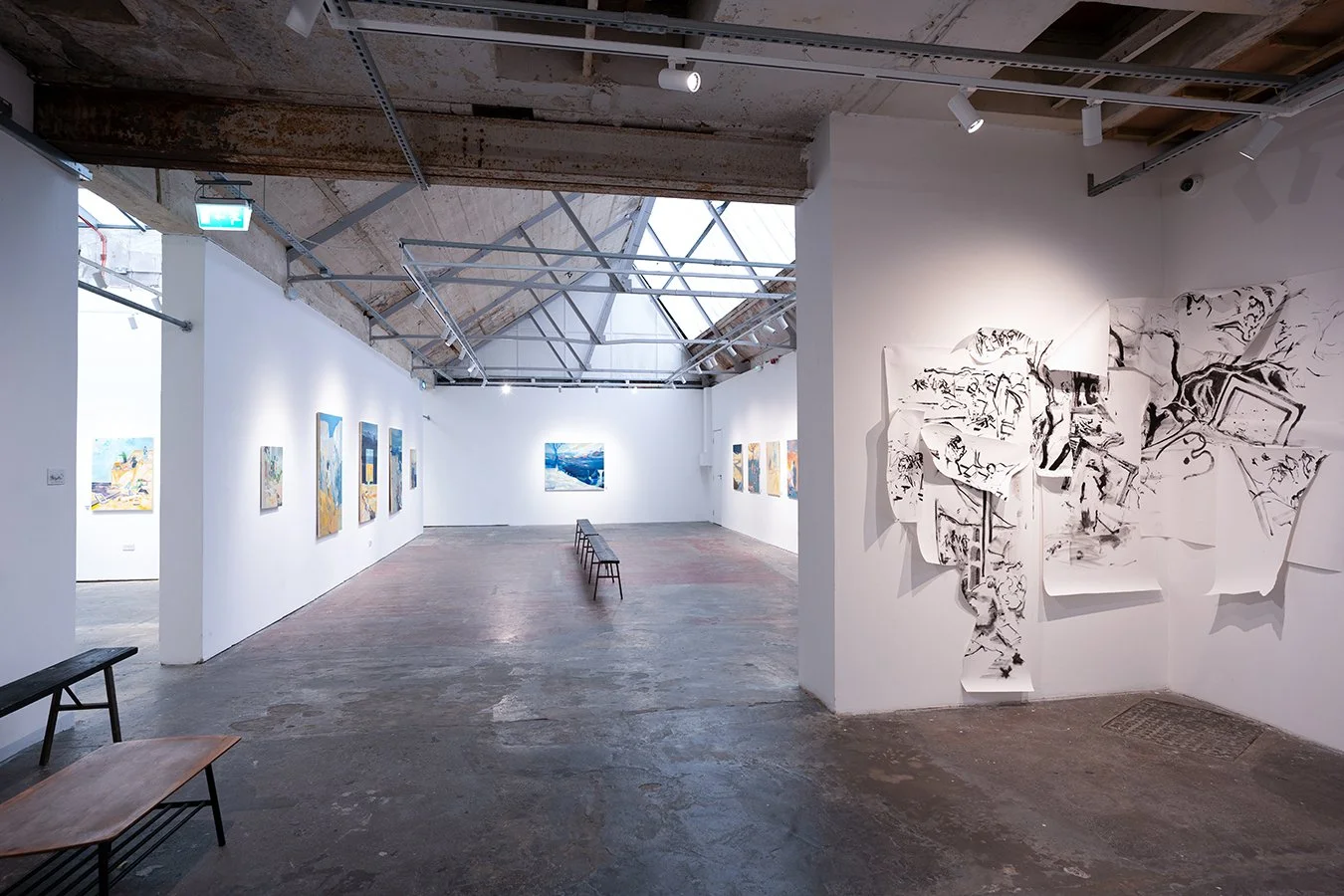
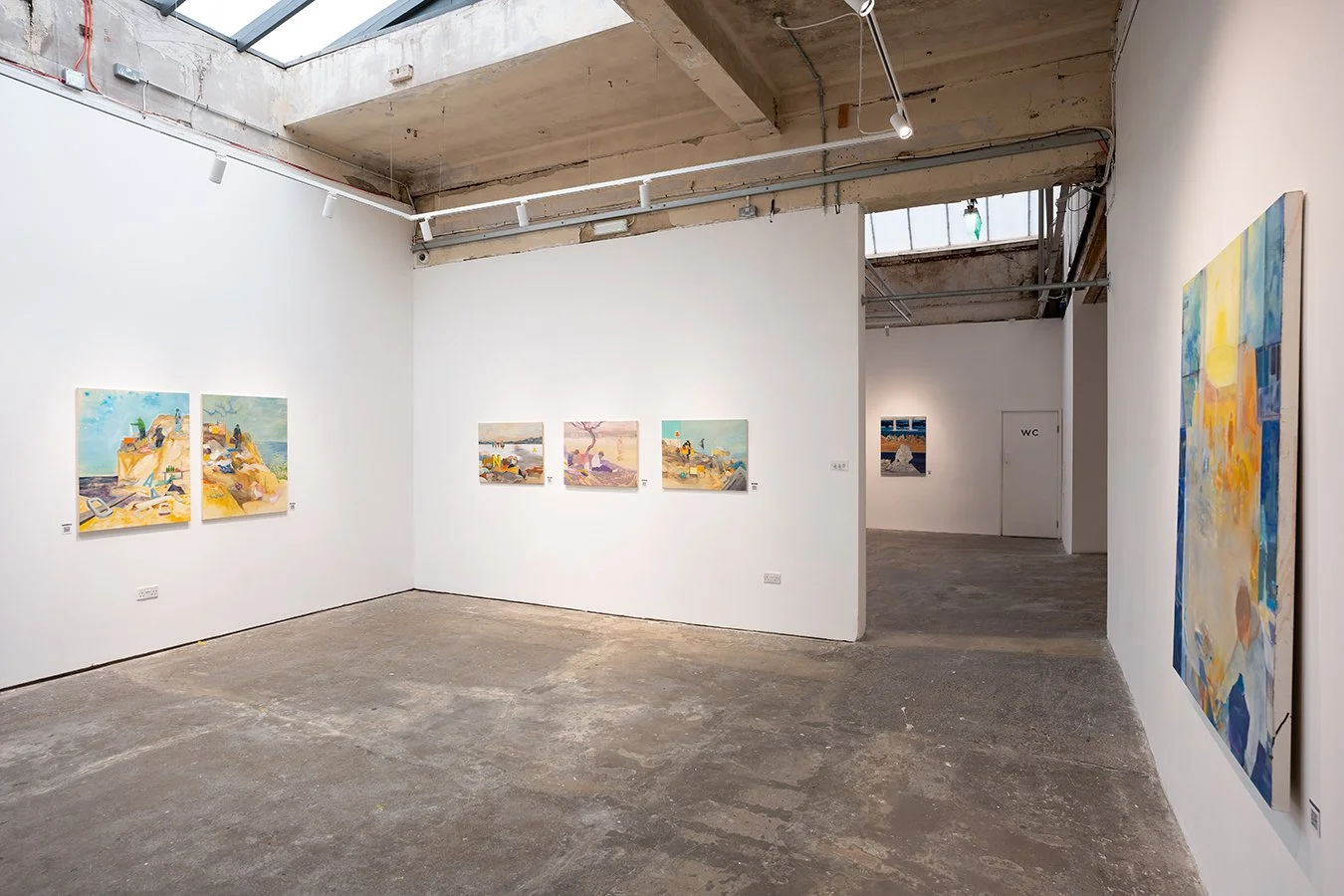
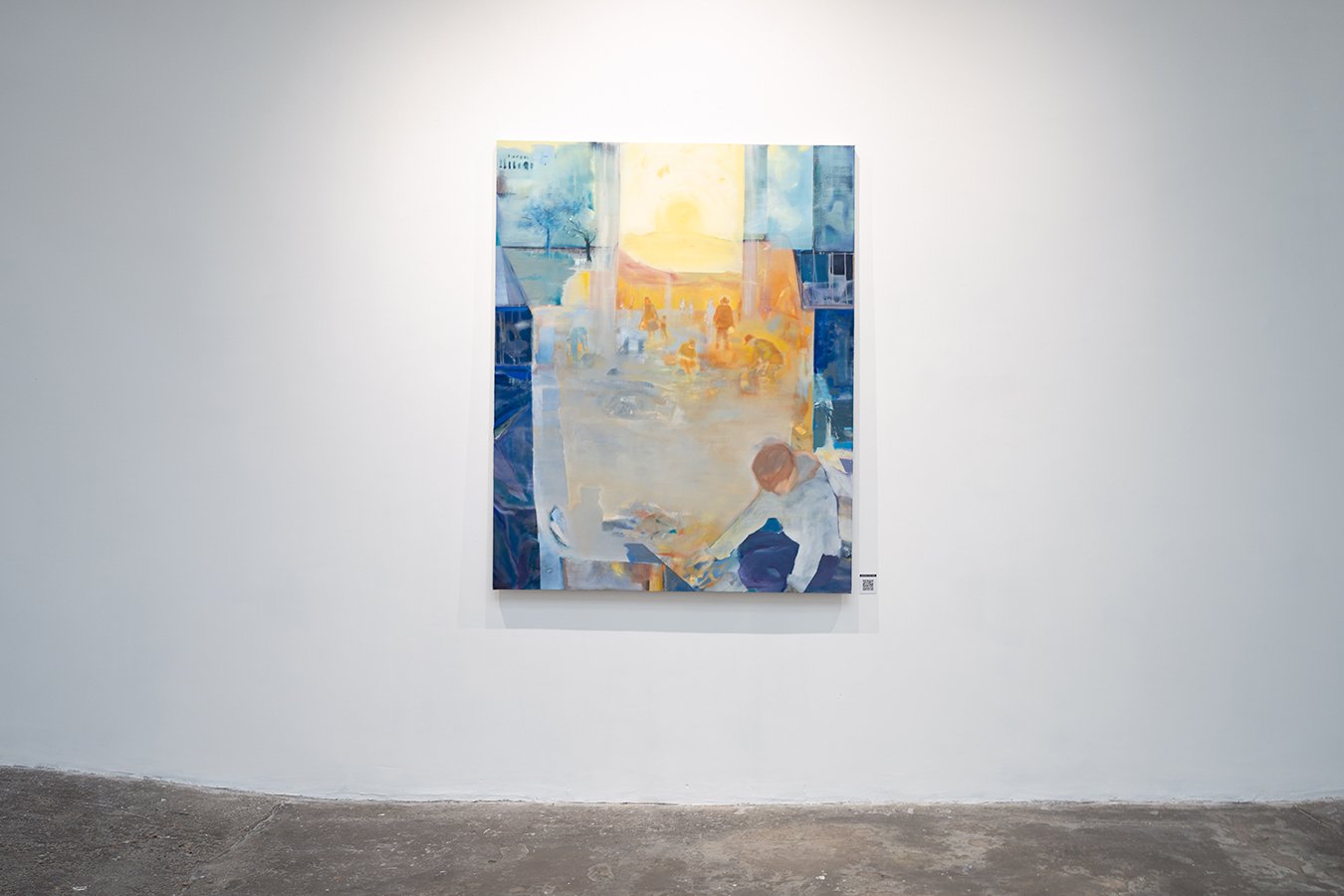
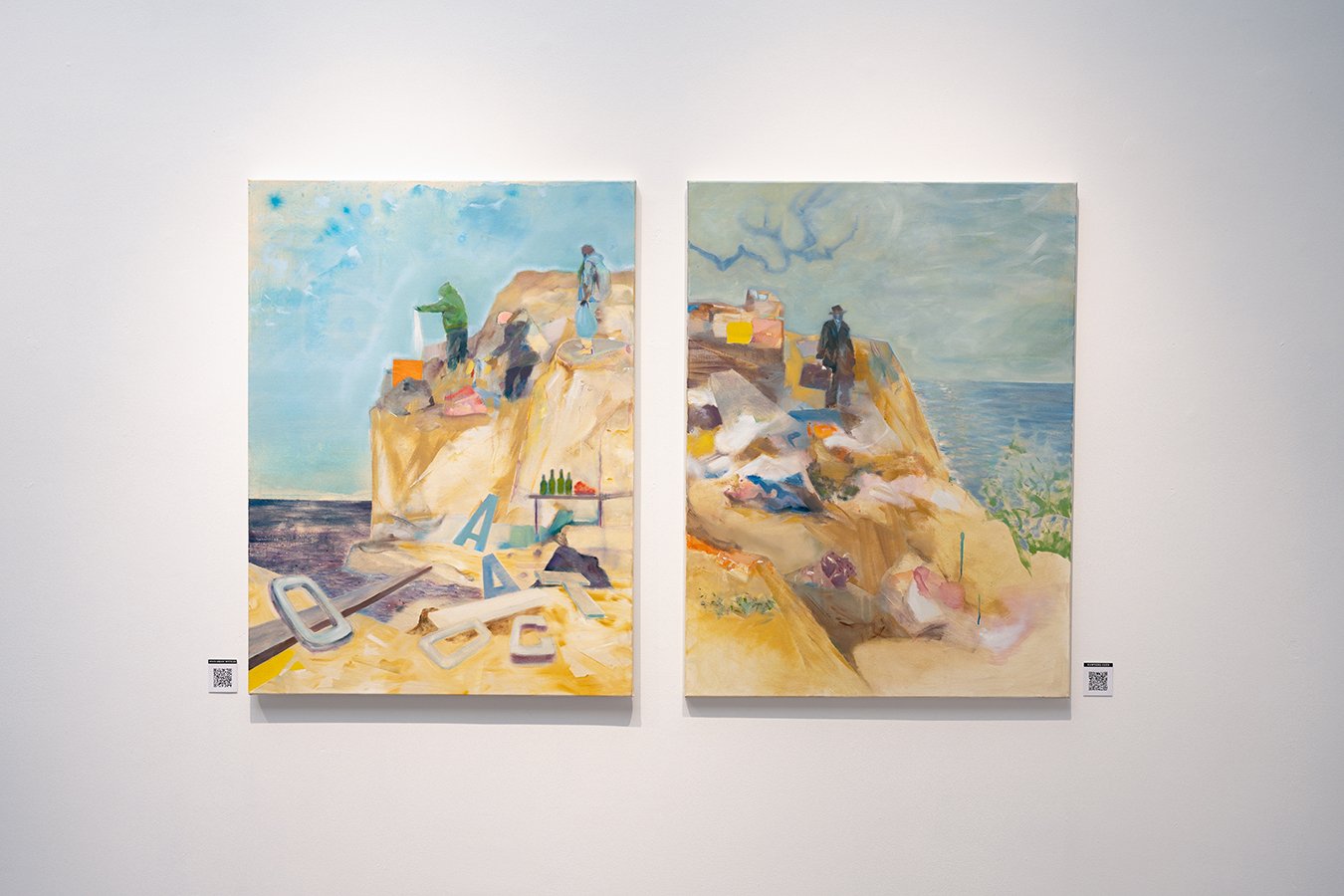
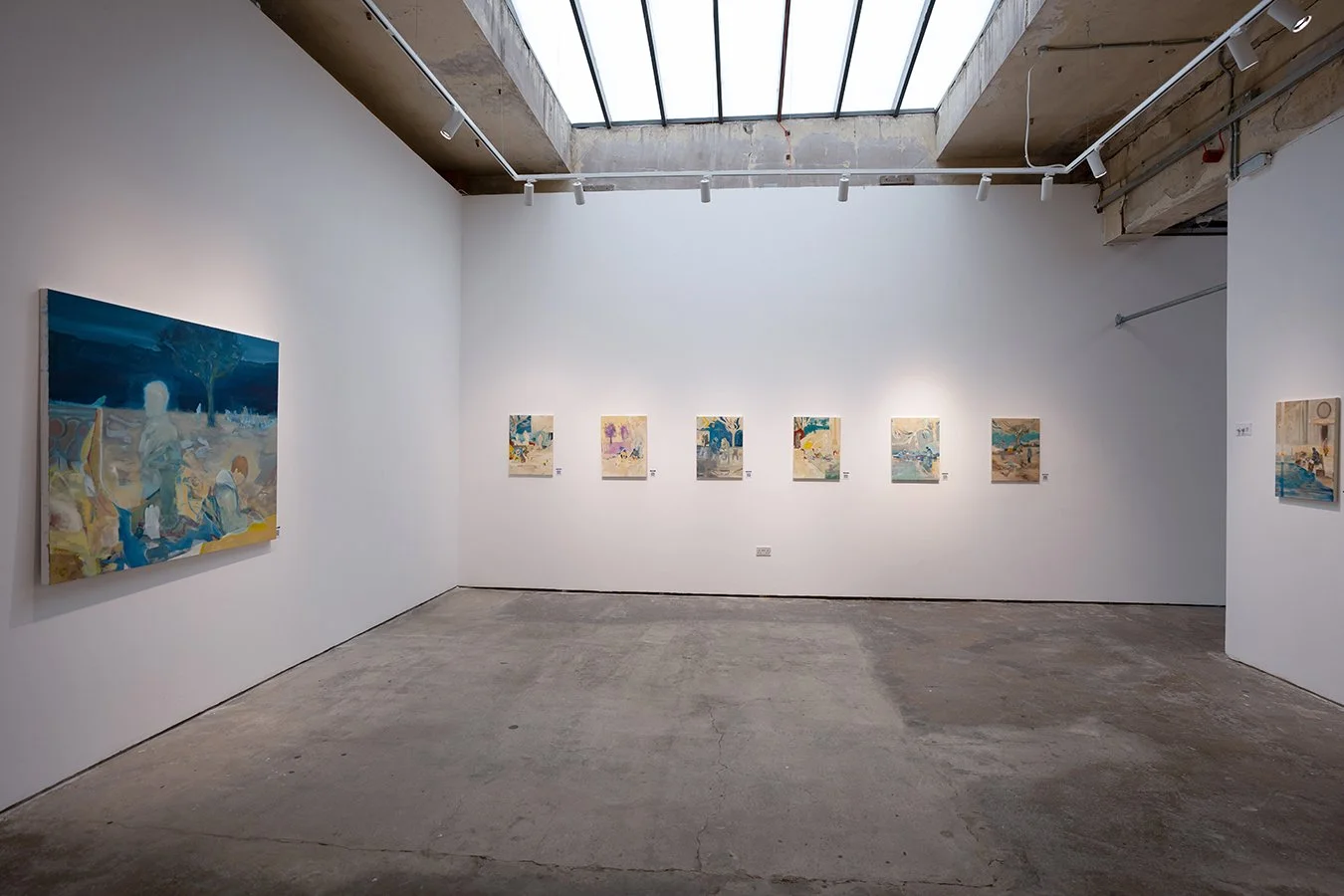
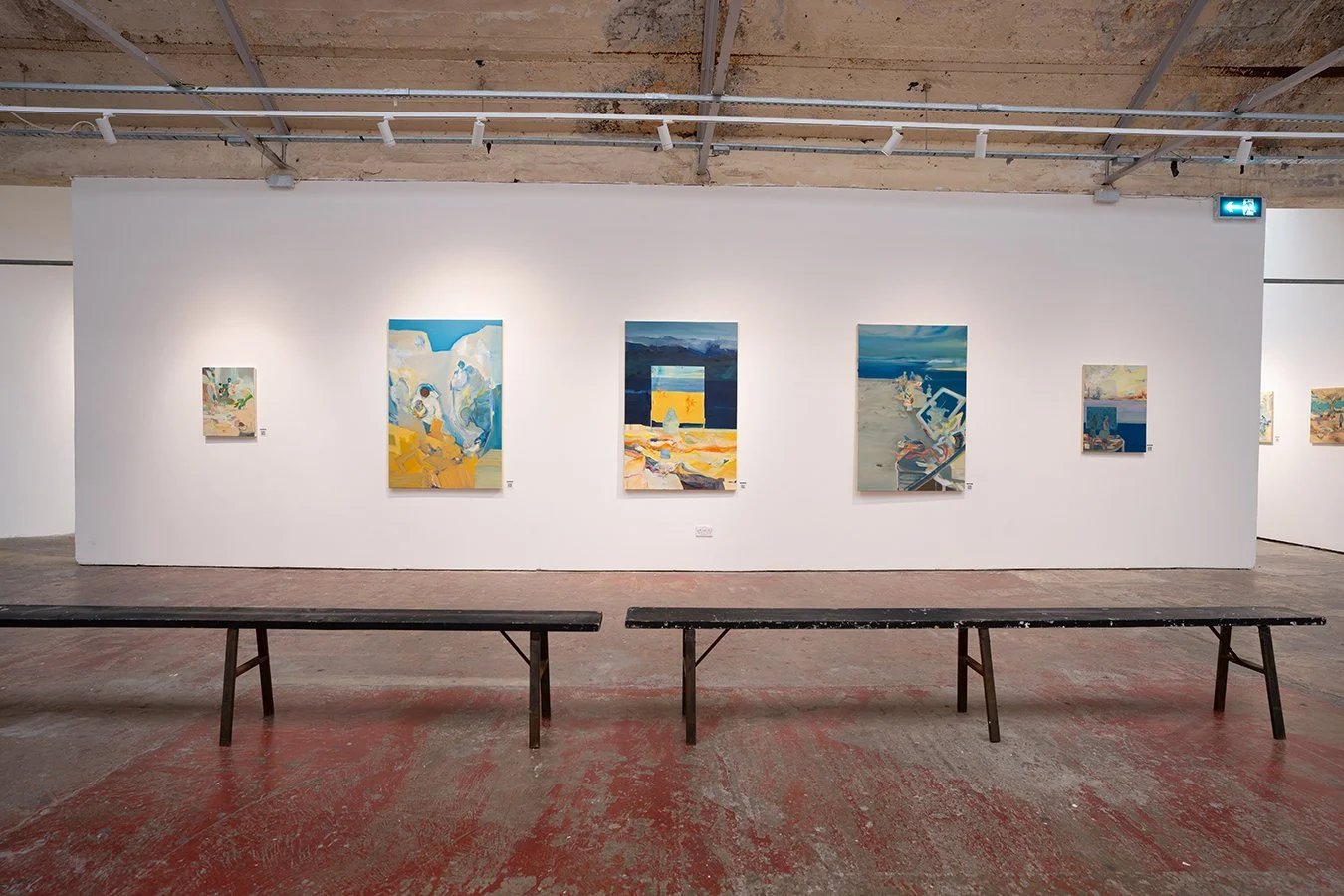
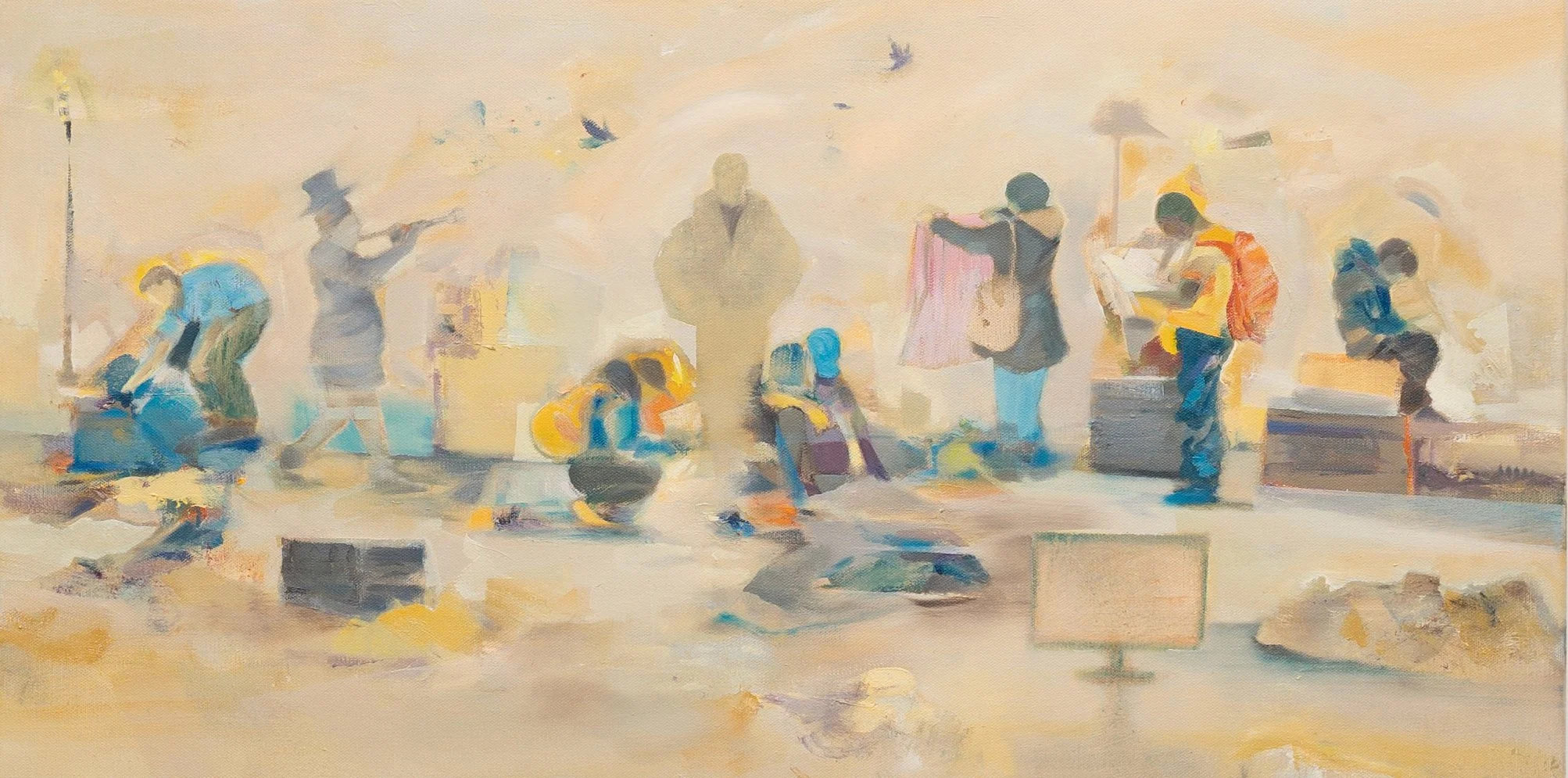
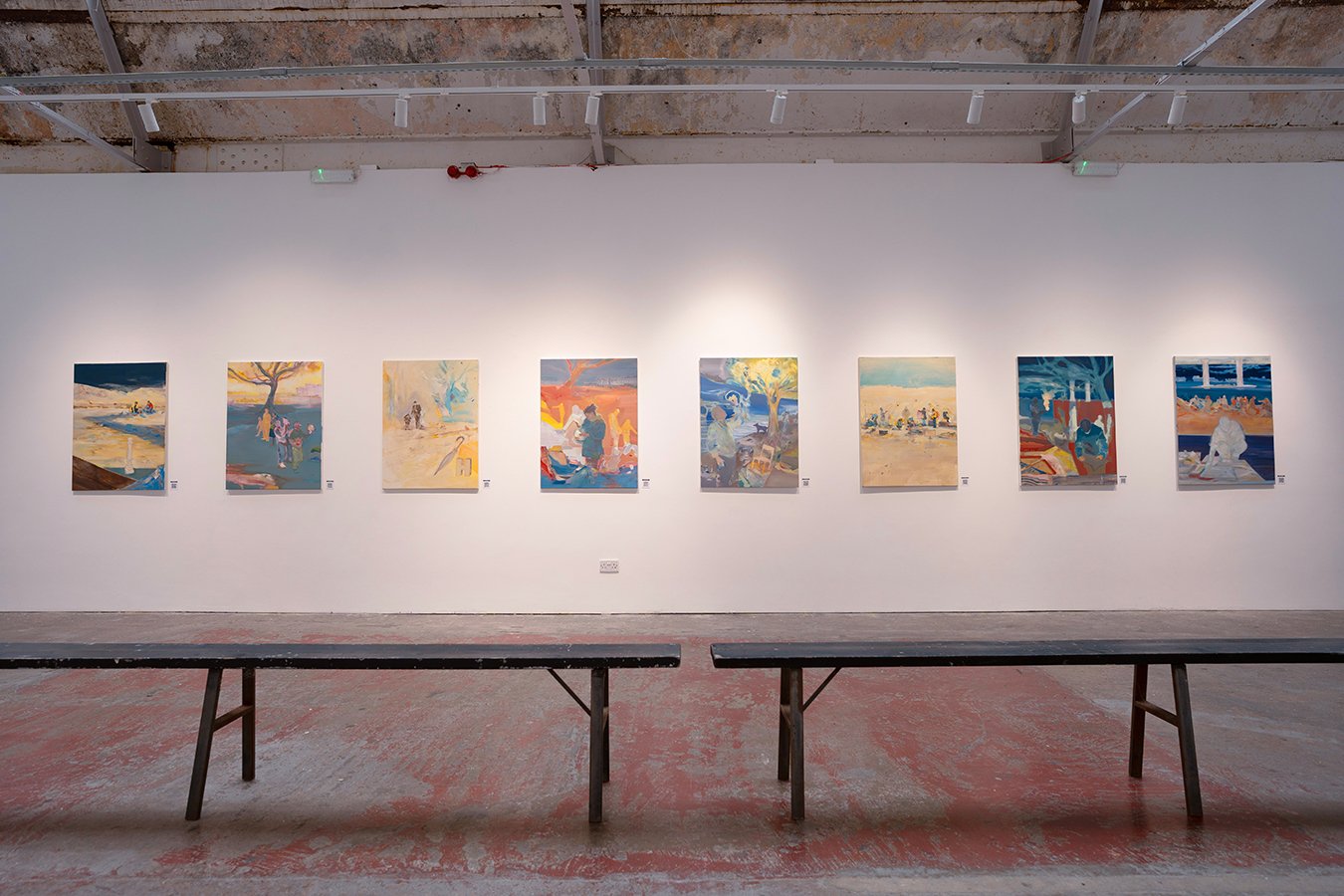
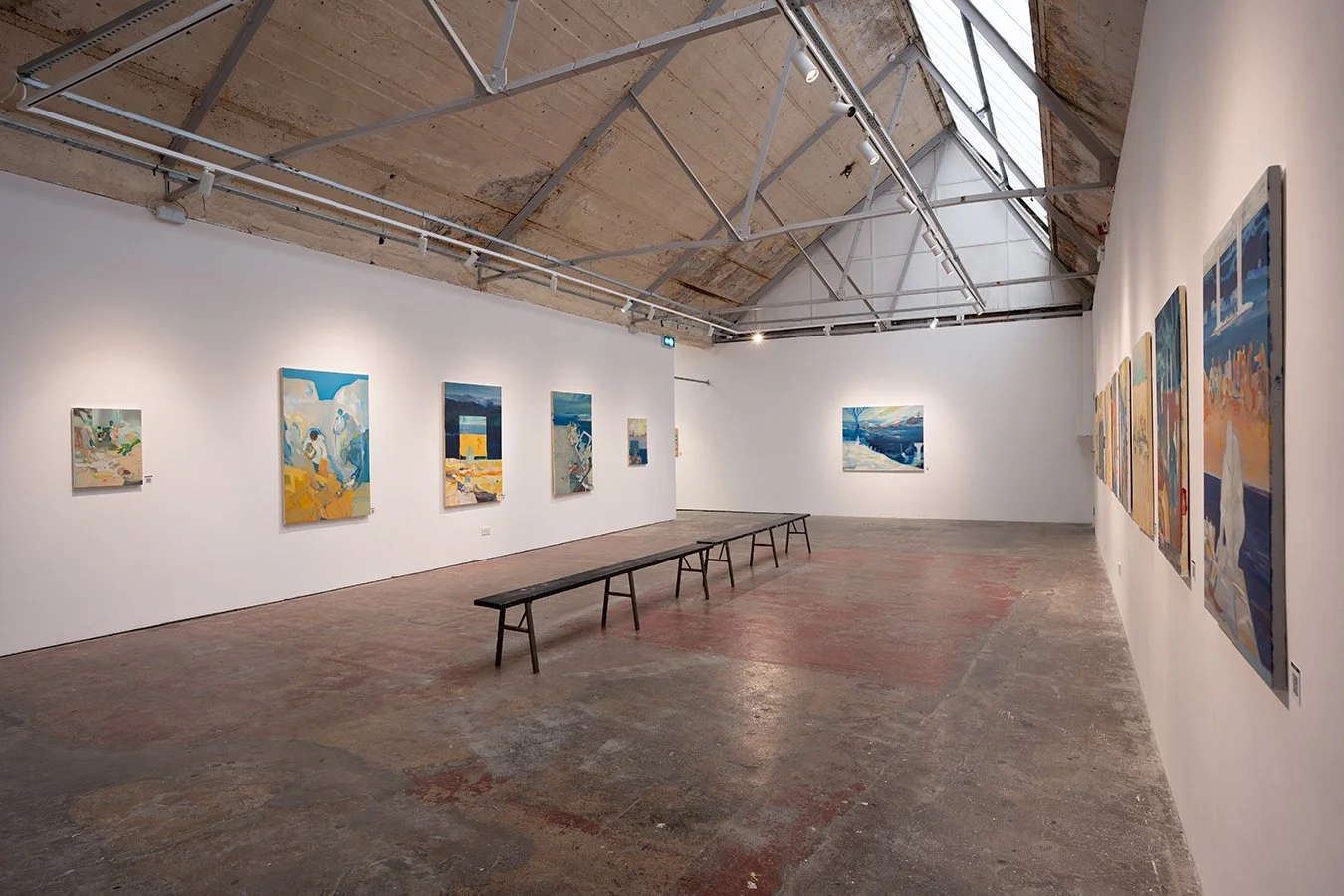
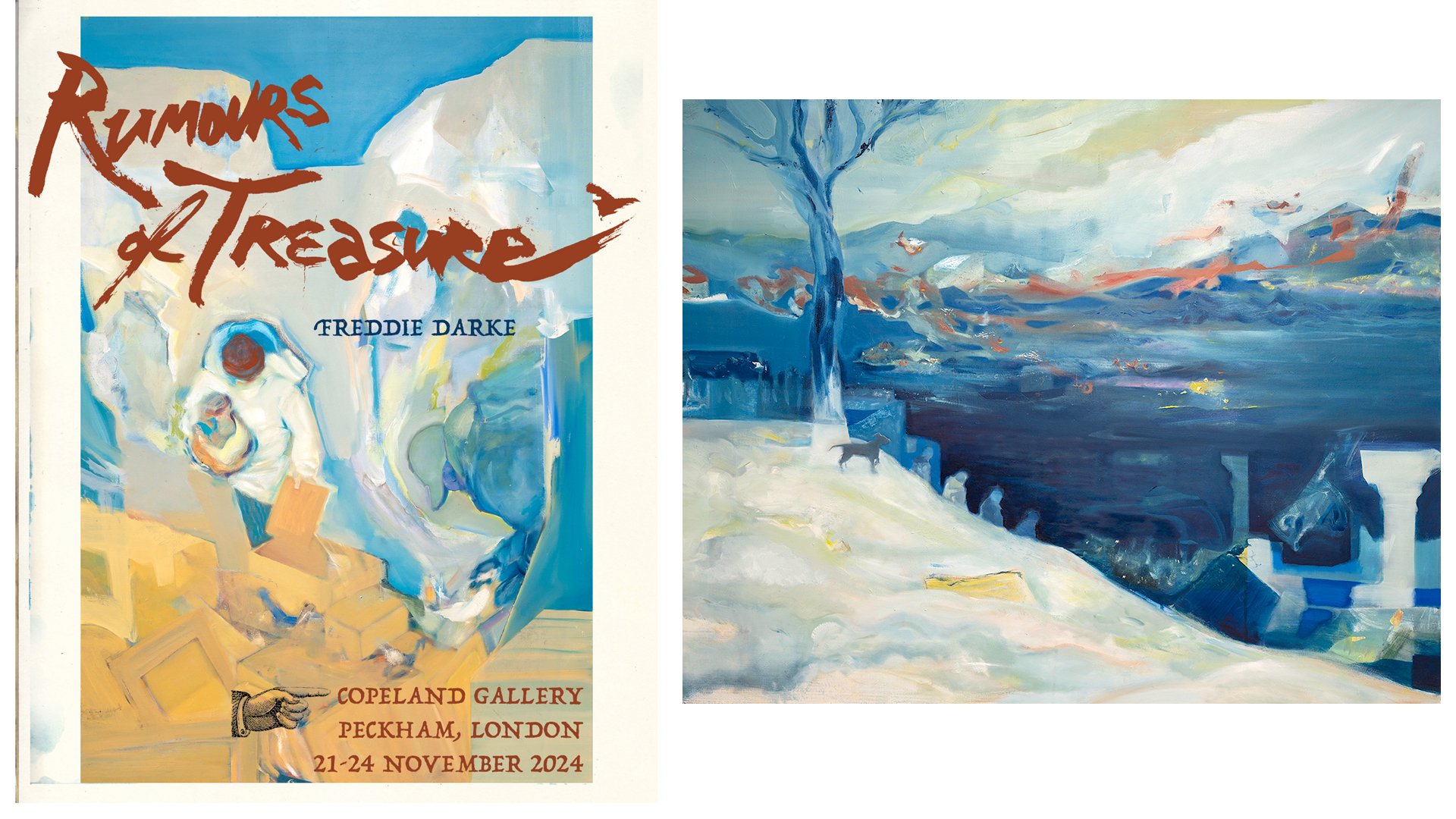
Like Blake, Darke attempts to answer the question of how we tell stories when the subject is missing or moved from their expected optic plane. Rumours of Treasure is filled with hollow spaces, shadowed silhouettes, vacant voids, places where people and objects have and should be but are now gone. And yet they are far from empty: Dadaist dustbowls are transformed into locations of opportunity – flea markets, junkyards, landfills. These apocalyptic wunderkammern are overseen by guardians of taste; apostolistic figures searching constantly and carefully through discarded cabinets of curiosities. They simultaneously seek and salvage, rescuers and repurposers of the forgotten or forsaken.
The detritus in Darke’s paintings are idiograms removed from and of context. Their reading is left only to their audience. Picture frames, soft animals, blankets, televisions, briefcases – dual symbols of domesticity and displacement – are handled with synchronic care and curiosity by families, ghosts, nomads and drifters. These are people seeking answers for both past and present; picking like magpies for a narrative explanation of the state of their own surroundings. The tension between these figures' cognition of semiotic value and the material emptiness that surrounds them underscores a profound reversal of conventional systems of value – no longer grounded in the Real but in the imagined, the symbolic, the immediate and experiential.
All work © Freddie Darke 2026